Hypomagnesemic tetany is common in young calves that are stall fed with poor quality hay during winters. In the video a calf is seen in opisthotonos position in advanced tetany due to low blood magnesium levels. The calf was administered a 10% solution of Magnesium Sulphate which led to its recovery.
Such symptoms are rare to be seen because animals usually die very quickly once the blood levels of Mg fall. The normal levels in calves are in the range of 2 to 2.5mg/100 ml of blood and signs of tetany start developing once the levels fall below 0.8mg/100ml. Recurrence is almost certain and the condition needs long term supplementation for its treatment. Low levels of Mg affect production of Parathyroid hormone too and usually hypocalcemia accompanies the condition.
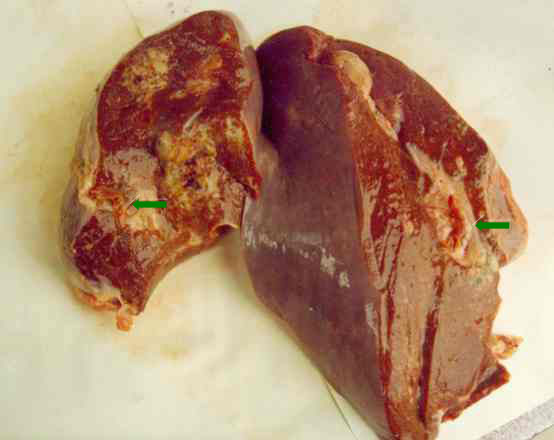
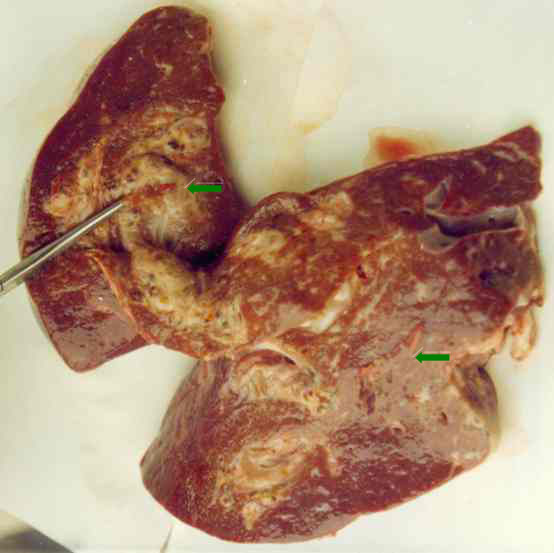
This common liver fluke of sheep may also infect cattle, goats, rabbits, hares, horses, dogs, pigs, elephants and even man. Its almost leaf shaped and on average is 1-2 inches long, though elongated forms are not uncommon. Pathologically F. hepatica is important mainly in Cattle and Sheep. The usual site of infestation is the liver (bile ducts) but sometimes may also be found in other organs. Infestation is usually manifested as anaemia and hepatitis. Limnaea snails act as intermediate hosts and the livestock ingest the cercariae encrusted on grass or swallowed with drinking water.
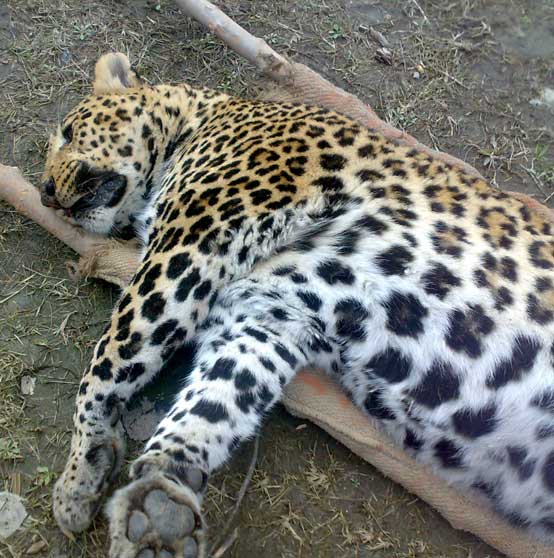
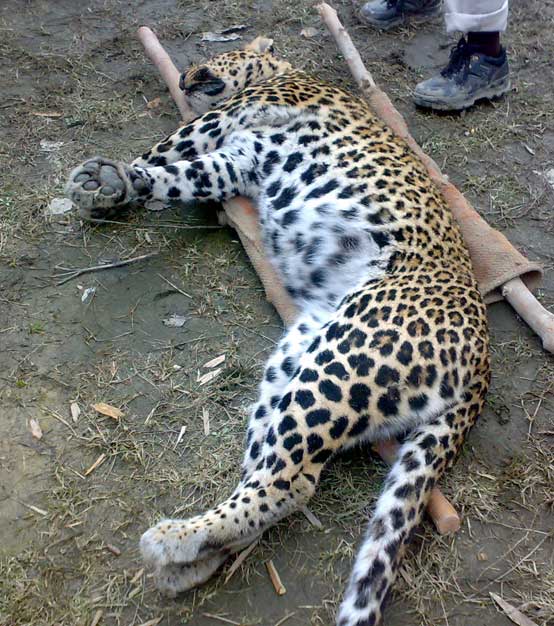
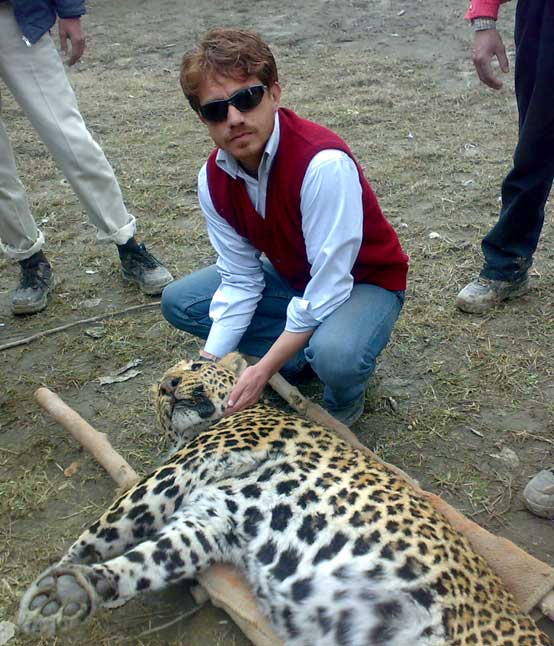
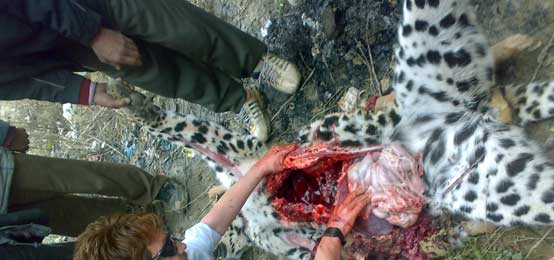
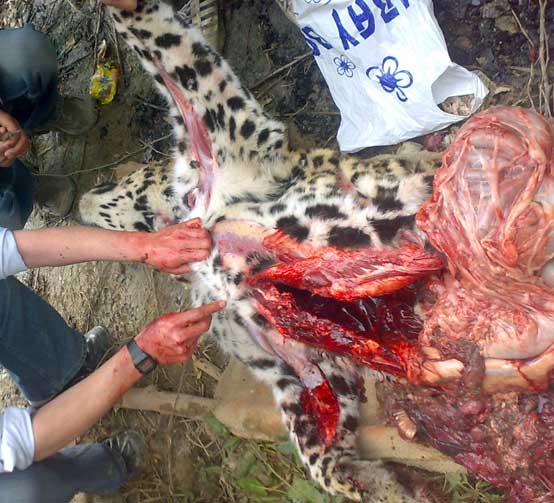
The leopard in these images was found dead in the outskirts of Kupwara forest. Post-mortem on the animal was carried out at the Veterinary Hospital, Sopore.
The leopard was a fully grown male, weighing approximately 70 Kgs, robust in appearance and unlikely to have died of any ordinary reason. The post-mortem examination (pending histopathology) was largely inconclusive.